
Share this story
My grandfather Moussa could recite four hundred years of family lineage without pause. Not from a book. Not from notes. From memory — from the place where Griots store everything that matters.
I am not a Griot. That inheritance passed to my uncle. But I spent a week in the dry season of 2024 sitting in my grandfather’s courtyard in Bamako, recording every word he said on a small digital recorder I bought at the Marché Rose.
He was 91. His eyesight was failing. But his voice was as steady as the Niger River — constant, unhurried, carrying everything downstream.
“A Griot does not just remember history. A Griot is history. Without us, your great-great-grandparents would be strangers to you.”
— Moussa Diallo, Griot, Bamako, Mali (1933–2024)
The tradition of Griots — or Jelis in Mande — is one of the oldest forms of oral literature on Earth. They are historians, praise-singers, musicians, and diplomats. In some West African cultures, they are the only people permitted to speak freely before kings.
What struck me most, sitting across from my grandfather, was not what he remembered. It was how he remembered. He did not recite facts. He performed relationships. Every name he spoke came with a story of who that person loved, what they built, what they survived.
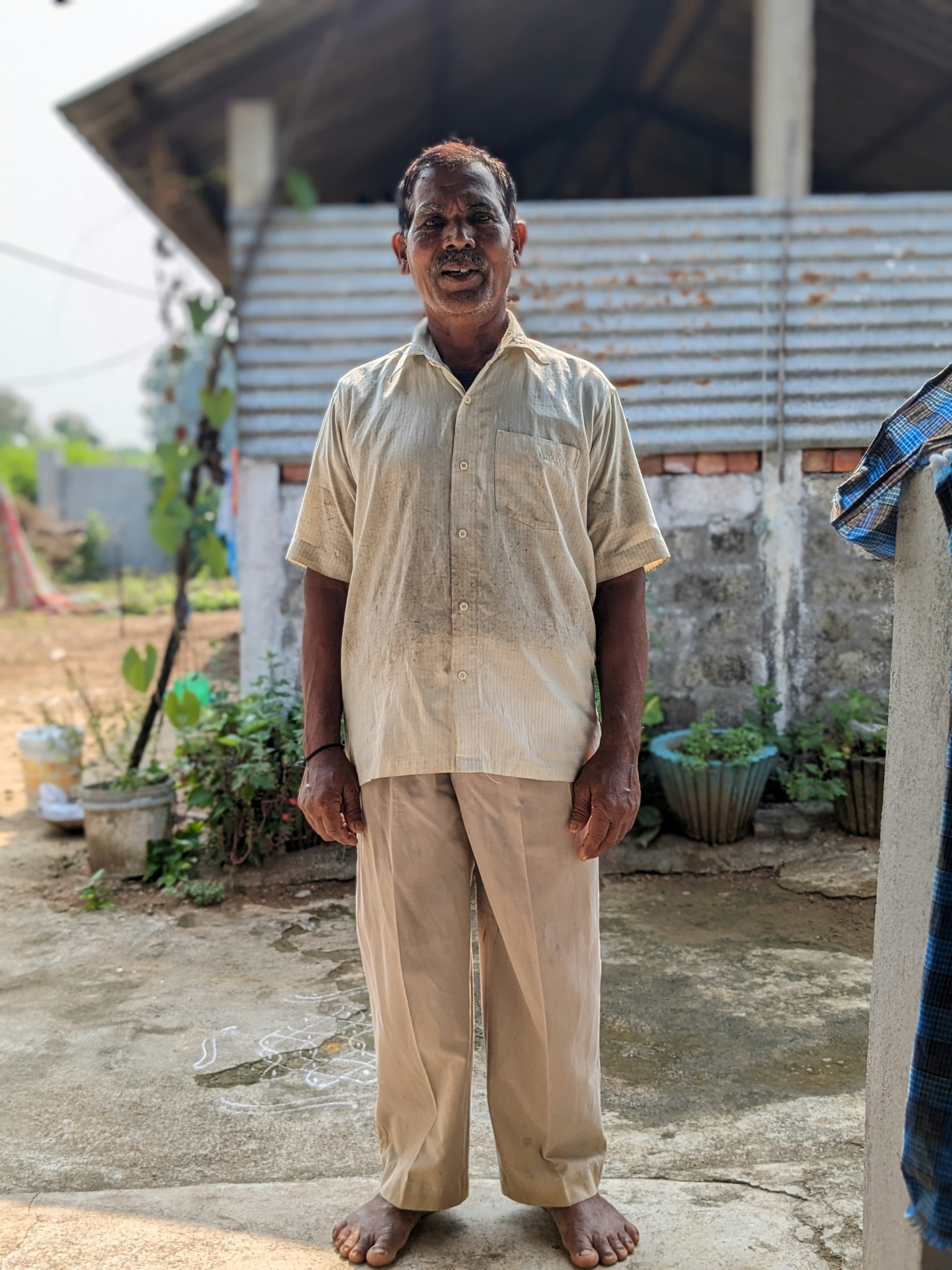
Moussa Diallo, photographed in his courtyard in Bamako, Mali. February 2024.
What Tourists Don’t See
Bamako receives thousands of tourists each year. Most come through for a day or two on their way to Djenné, Timbuktu, or the Dogon Country. They photograph the Grand Marché, eat thiéboudienne at a riverside restaurant, and leave.
Almost none of them sit in a courtyard with a 91-year-old man who can trace the lineage of every family in his neighbourhood back to the Mali Empire.
I am not criticising tourists. I am describing a gap — a gap between what Africa offers and what the tourism industry has decided to show. The safaris are real. The landscapes are extraordinary. But the oldest, most sophisticated archive of human experience on Earth is sitting in courtyards across West Africa, and it is almost entirely invisible to international travelers.
The Recording
I have 14 hours of recordings. My grandfather died six weeks after I left Bamako. I did not know it would be the last time I saw him.
I am still transcribing. My Bambara is not perfect. I am working with my aunt, who is a teacher in Ségou, to translate the parts I cannot follow. It is slow work. It is the most important work I have ever done.
When I am finished, I will share it — all of it — in the language it was spoken, and in English, so that travelers who come to Mali can understand what they are walking through. Not a country. Not a destination. A living archive.

Amara Diallo
Bamako, Mali · West Africa
Amara Diallo is a cultural preservationist and writer based in Bamako. He is currently working on an oral history project documenting Griot traditions across the Sahel. He is not a Griot — but he is the grandson of one.
Watch: Amara speaks about his grandfather

Watch Amara’s story · 4:32